TRAINING DECISIONS
My AI keynote at HKAIIA: how a Hong Kong company gets every team using AI
Published: · Last updated:
Short answer: On 13 November 2026, the Hong Kong Artificial Intelligence Industries Association (HKAIIA) hosted the Adaptig Show at its office in Tsim Sha Tsui East. I gave the keynote to its Executive Committee and members, as Co-Founder & Director of Academy at Adaptig. My point for the room: the AI tools are already on every phone. Getting a whole team to turn them into results, every day, is another matter. That is where corporate AI adoption really starts.
Thank you HKAIIA and the Executive Committee for having me. It was an inspiring and interactive room, and I was glad to meet your members.
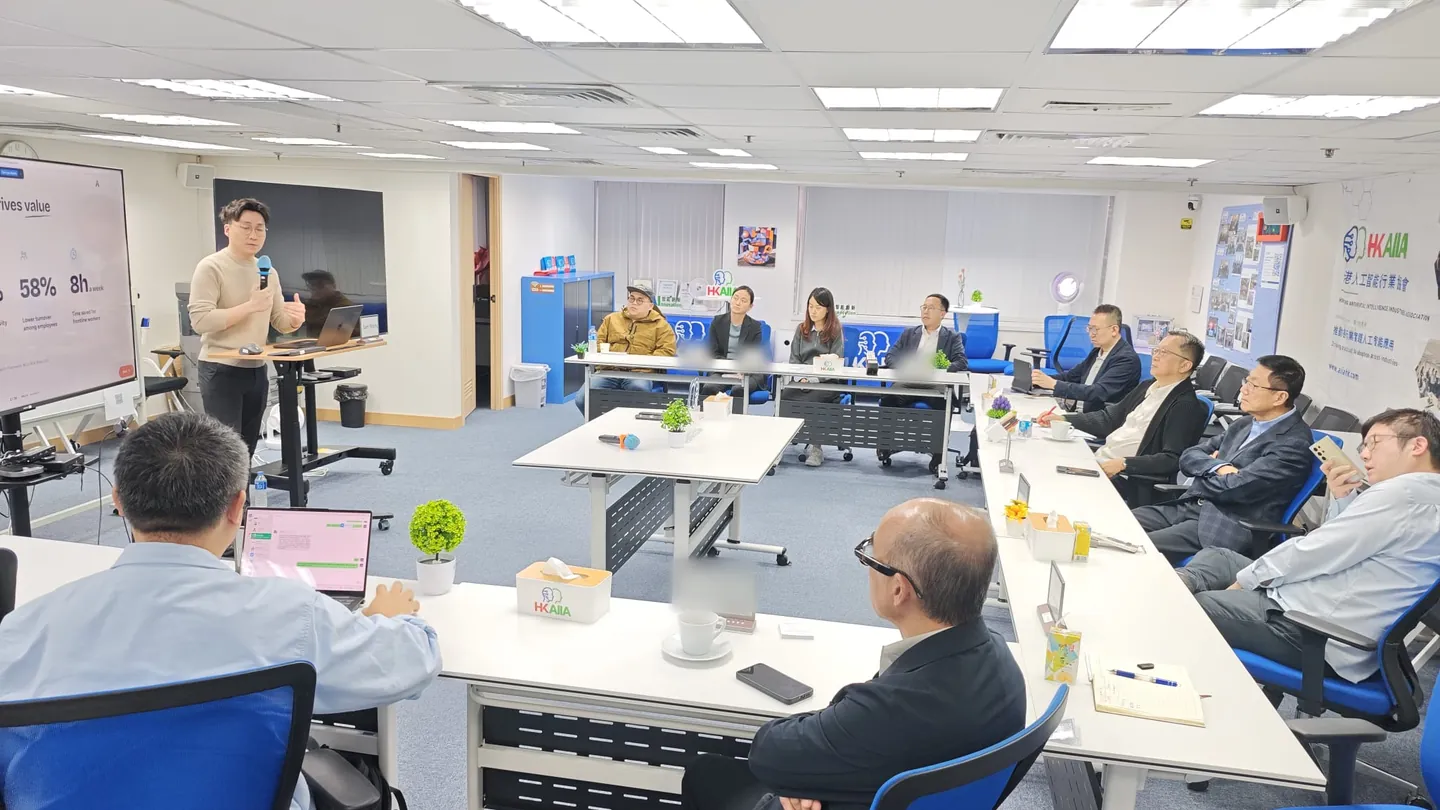
Who was in the room
HKAIIA's own post described the audience as "Hong Kong AI and manufacturing leaders". The association's aim, in its words: to help companies "accelerate adoption, upskill their workforce, and turn emerging technologies into real commercial outcomes".
So I didn't ask who uses AI. Everyone in that room does. I asked for a show of hands: in your company, is the whole team using AI every day? Not only you. Not only IT.
Bringing the scriptures home was the easy part
I opened with 西遊記, of course. (I studied history. I can't help it.)
Tang Sanzang came back with 657 scriptures. The hard part came after: 19 years of translating them, so ordinary people could actually use them.
AI is in the same place. The tools are already on every phone. Getting a whole team to turn them into results, every day, is another matter.
Two levels of AI at work
Most companies start at the first level. People keep their usual way of working and ask AI for help now and then: an email, a slide, a translation. It saves time. It is a good start, not the end.
The second level is AI-native. The work is designed around AI, so it runs every day, even while you sleep. People review, decide and set the direction.
You need both. Most companies are still at the first.
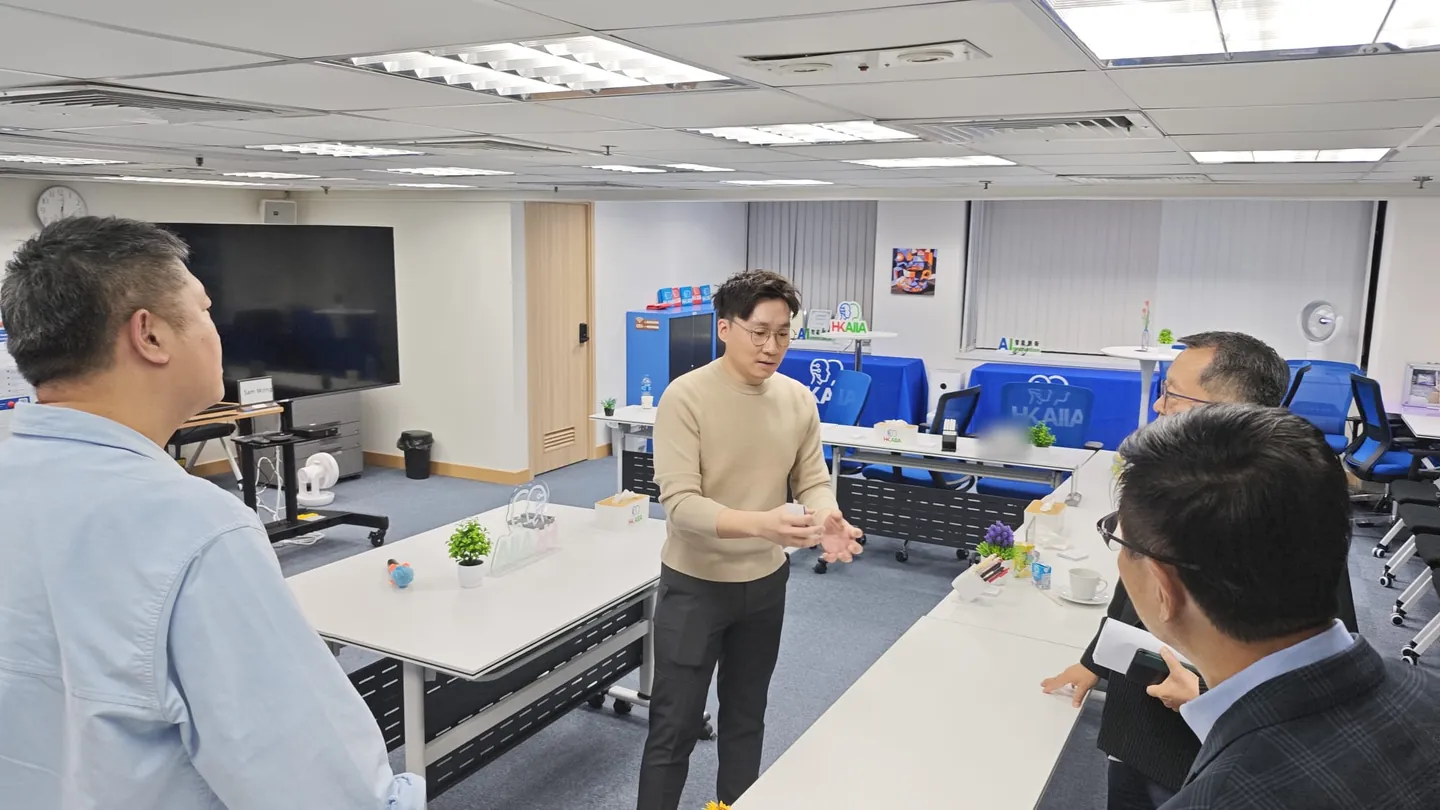
From a few people to the whole company
Corporate AI adoption stalls in familiar ways: AI is treated as an IT roll-out or an HR training, people learn tools but not new habits, and companies count logins instead of impact.
What works is a whole-company path. Everyone gets the basics first. Then AI Champions inside each team. Then leaders who use AI themselves and set the direction. Ideas come from everyone, solutions from the Champions, priorities from the leaders.
AI itself will always be a probabilistic tool, and a business needs stability. What makes it stable is the system around it: write the workflow down instead of relying on one clever prompt, run it every day so mistakes show up early, and let a person check the last step.
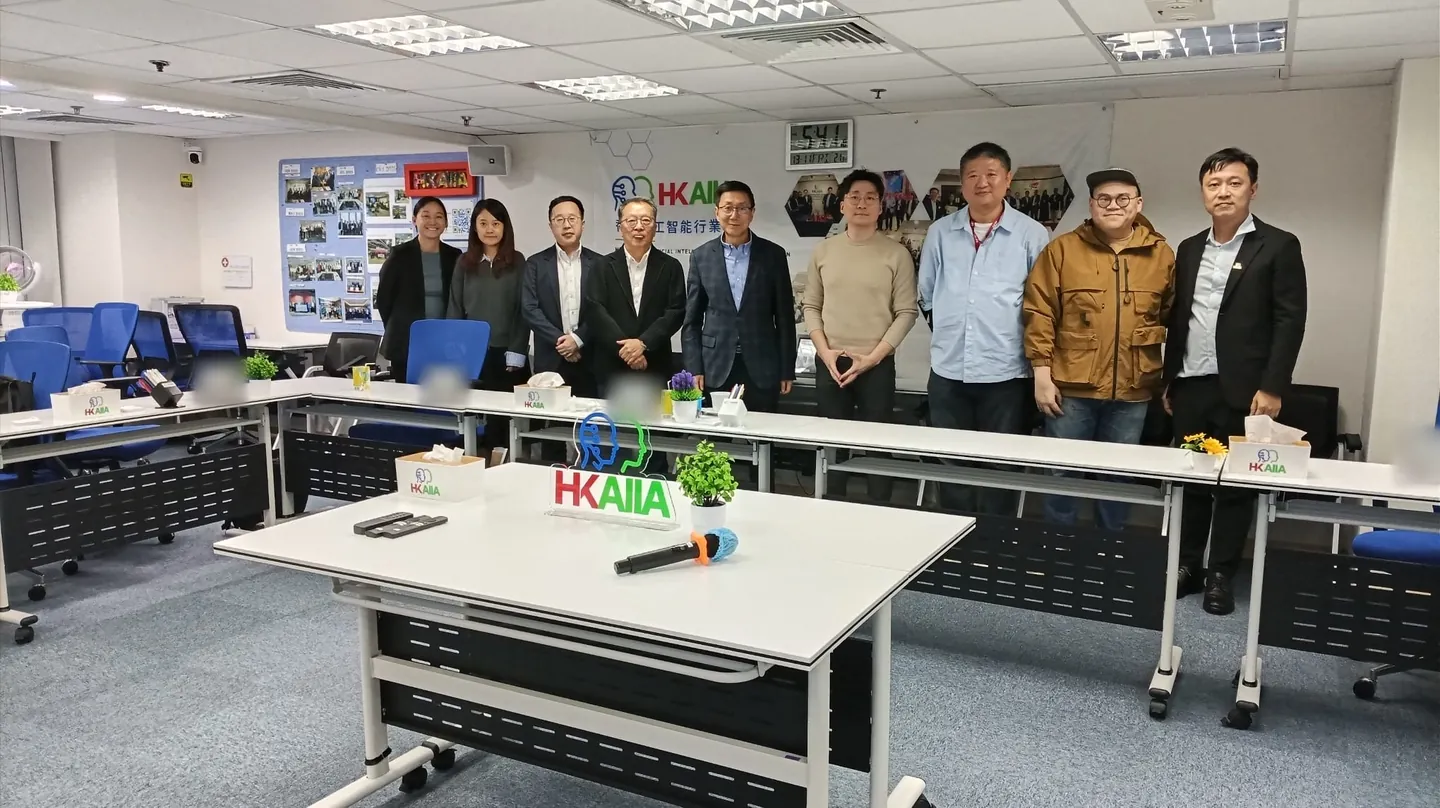
What your company can do next
If AI in your company still sits with a few people, that gap is the work.
Tell me your team size, the AI tools your company approves, and one task your people repeat every week. We start from there: corporate AI training in Hong Kong.
To see what this looks like inside one team, read my private Grok Bot training case.
FAQ
What is the difference between using AI and being AI-native?
Using AI means people keep their usual way of working and ask AI for help now and then. AI-native means the work is designed around AI, so it runs every day, and people review, decide and set the direction. Most companies need both.
Where should a company start with AI adoption?
With the whole team, not a few enthusiasts. Everyone gets the basics first, then AI Champions inside each team, then leaders who use AI themselves and set the direction.
Sam Wong (黃力桐) is a Hong Kong AI adoption trainer who has trained 11,000+ people.